Stadiums

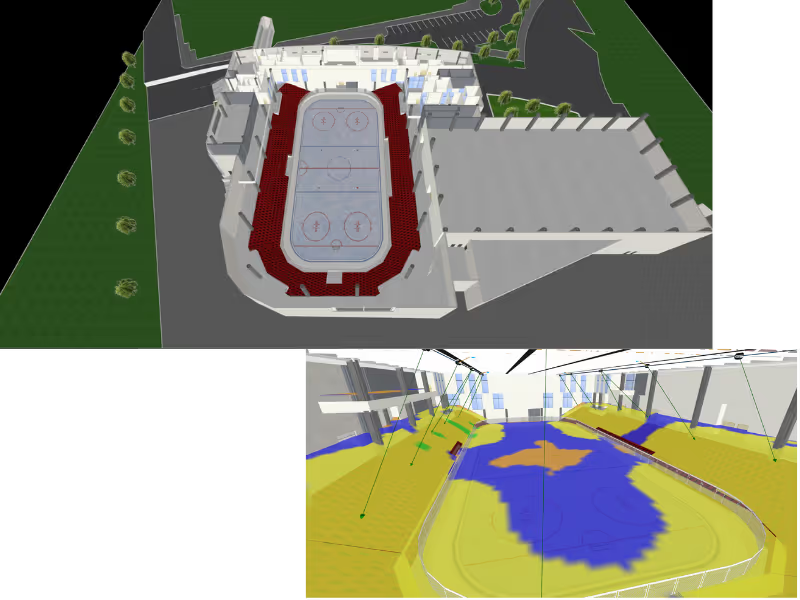
Stadiums experience extreme spikes in usage over short periods of time. Common challenges include:

High device density during events that overwhelms legacy systems

Inconsistent coverage across seating, concourses, and back-of-house areas

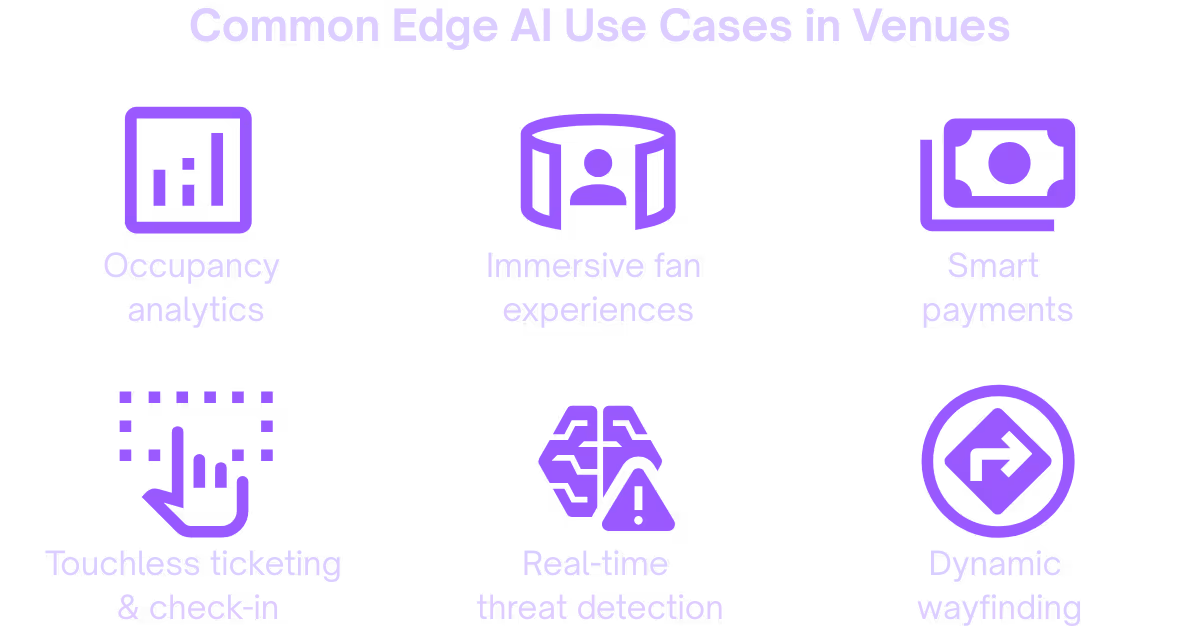
Demands for real-time services such as mobile ticketing, concessions, and media sharing

Operational coordination across security, staff, and broadcast teams
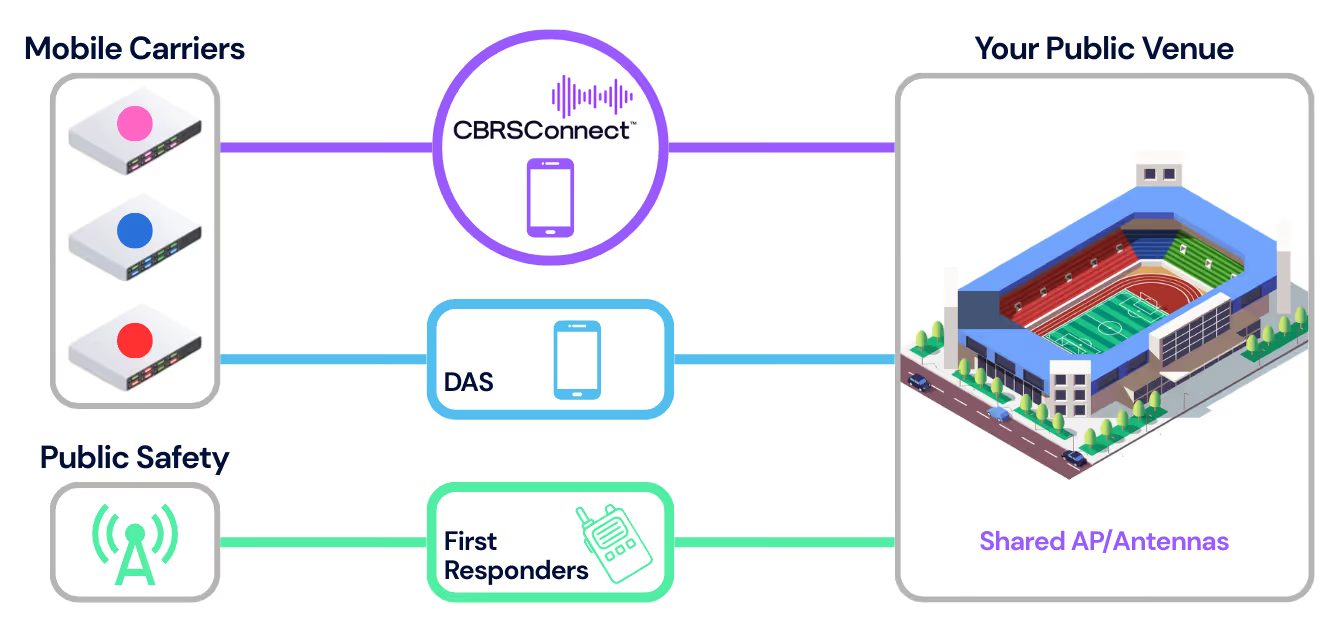
Stadiums require high-capacity, multi-operator wireless networks that perform reliably under peak load.
Airports
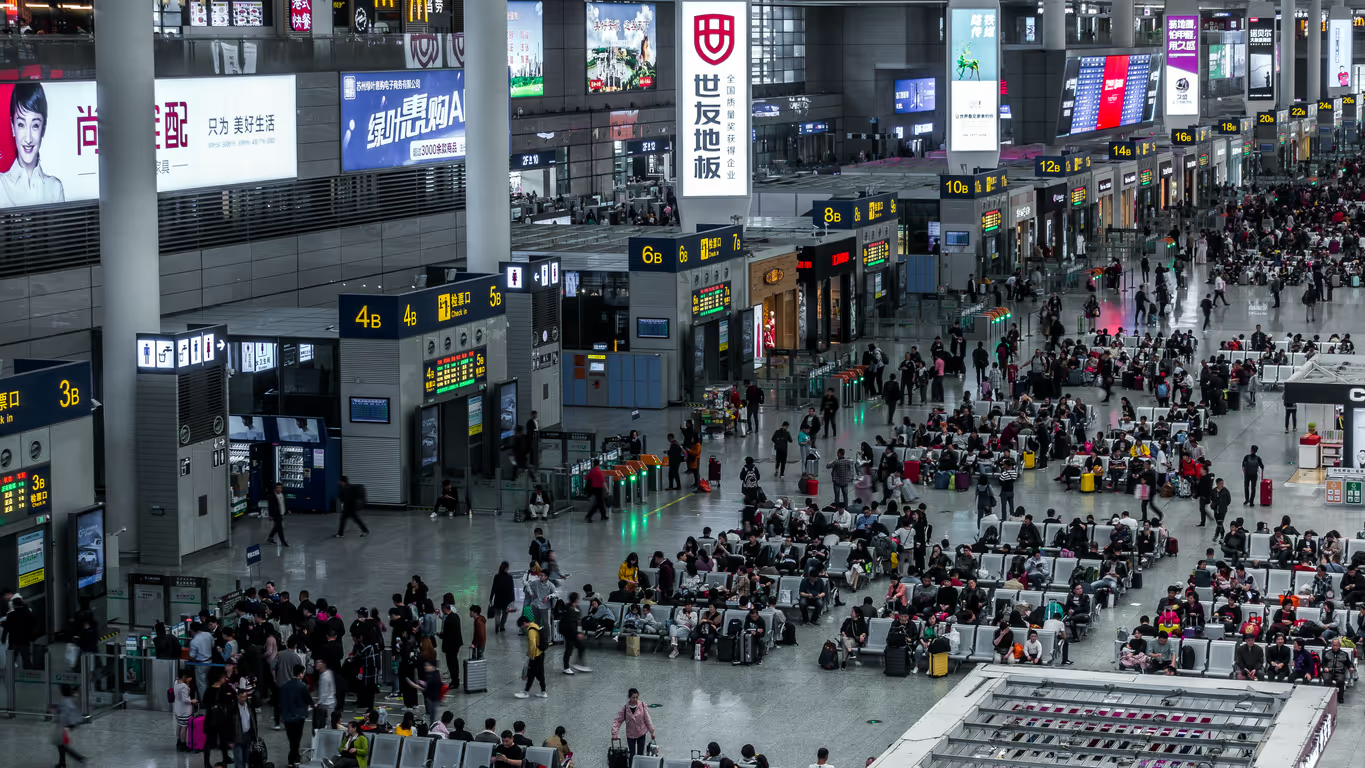
Airports operate as always-on, mission-critical environments with constant passenger flow. Key challenges include:

Large, complex indoor spaces that block or degrade wireless signals

High user mobility across terminals, gates, and transit areas
Operational dependence on wireless systems for security, baggage, and communications
The need to support both public connectivity and secure operational networks
Airports require resilient wireless infrastructure that supports passengers, staff, and critical systems without interruption.
Malls
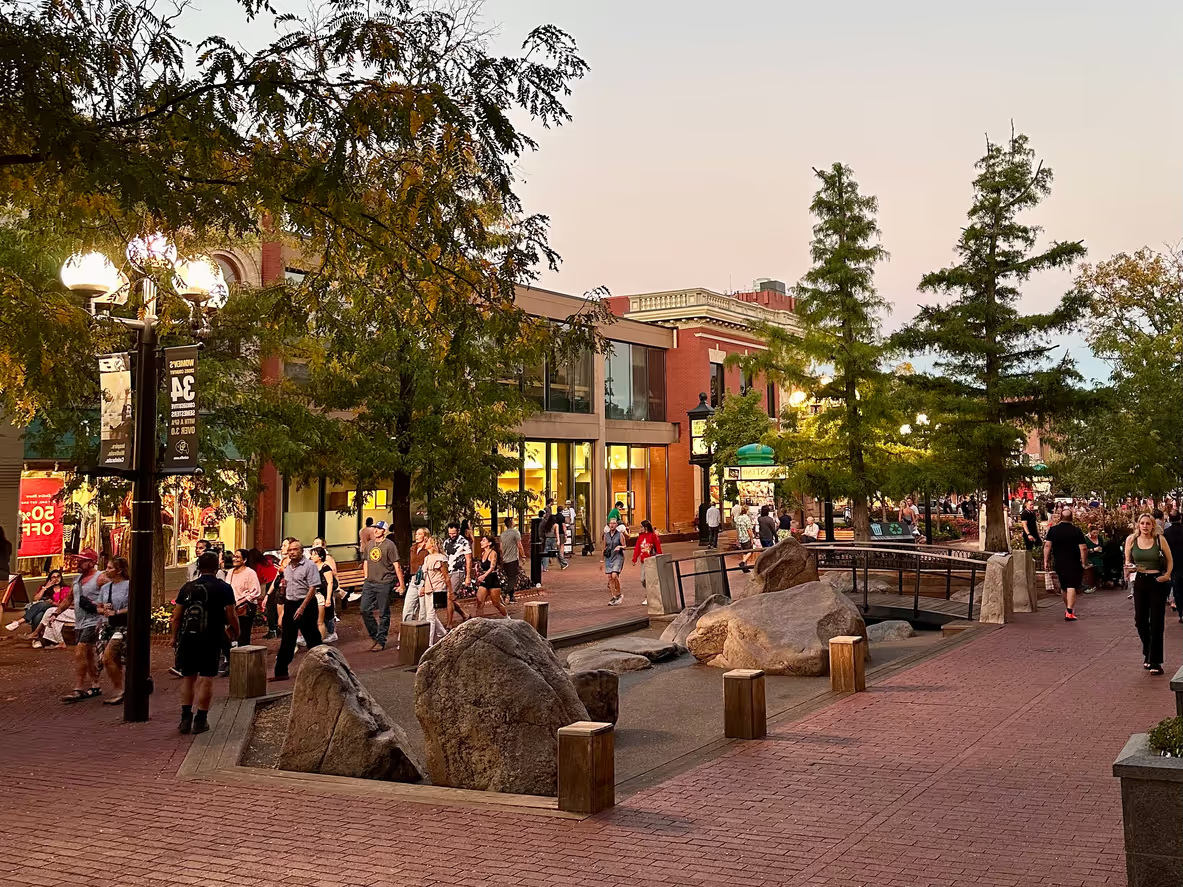
Modern malls function as mixed-use environments blending retail, dining, and entertainment. Common challenges include:

Inconsistent coverage across large indoor footprints and multiple tenant spaces

Limited carrier investment in traditional DAS solutions
Growing reliance on mobile engagement, payments, and location-based services
.svg)
Difficulty coordinating upgrades across multiple stakeholders
Malls need flexible, cost-effective wireless solutions that support tenants and evolving customer experiences.
Casinos
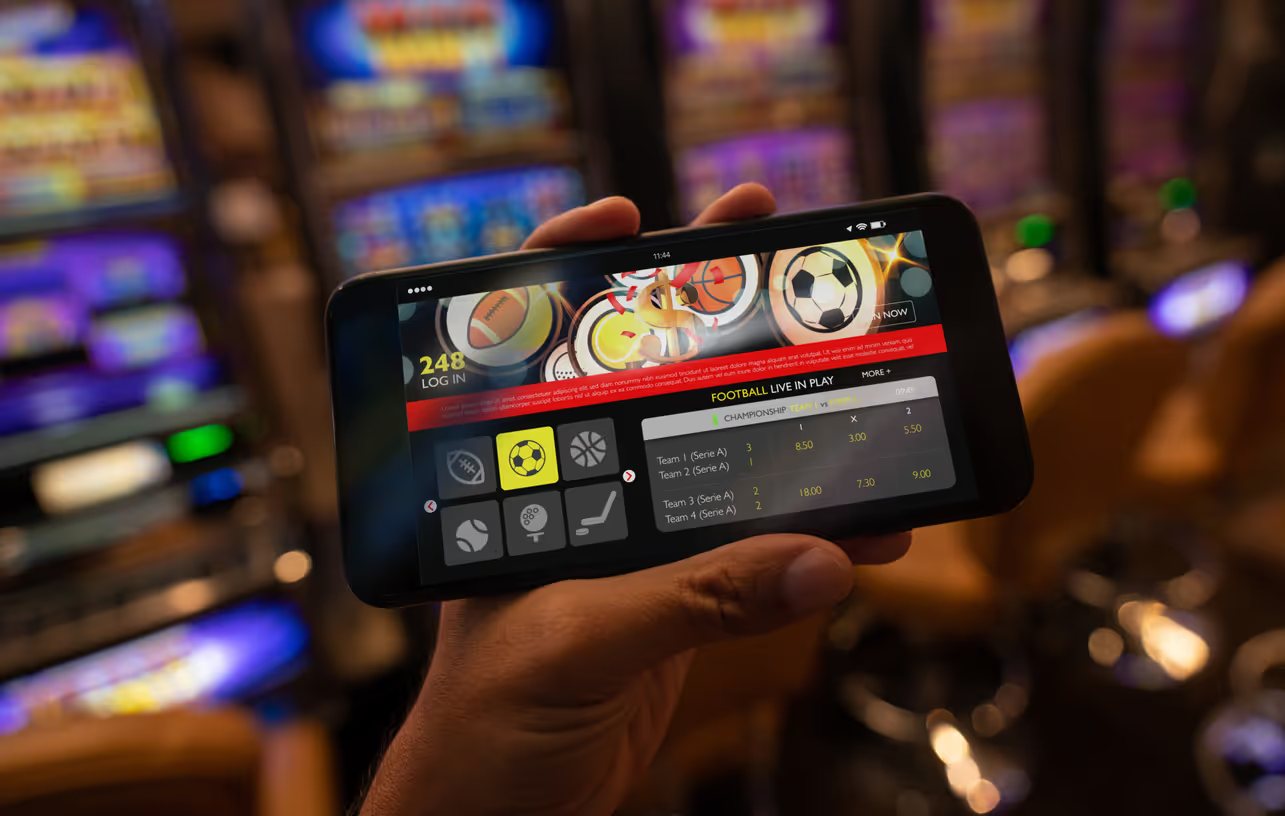
Casinos demand reliable connectivity across gaming floors, hospitality spaces, and operations. Typical challenges include:
Dense indoor environments with heavy RF interference
Strict security and compliance requirements
Continuous operations where downtime is unacceptable
Support for mobile services, surveillance, and operational systems
Casinos require wireless networks designed for reliability, security, and nonstop operation.







.svg)

.svg)